
-
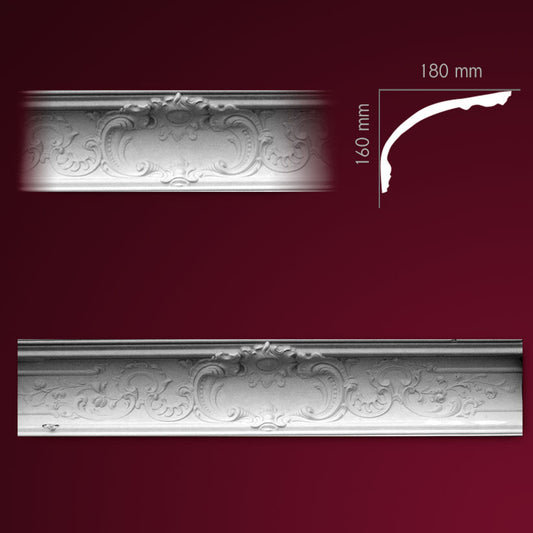
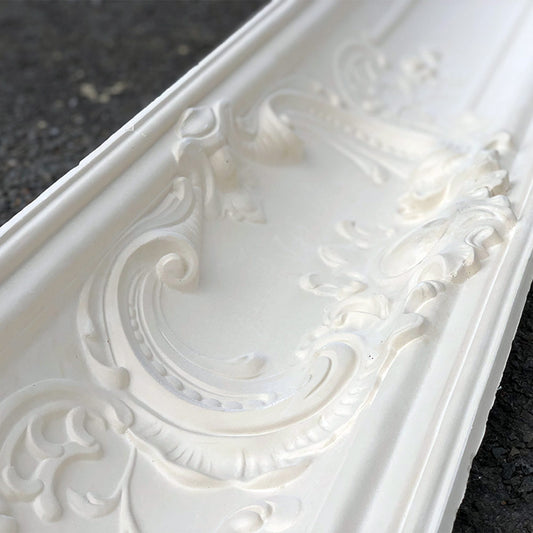
Cornice molding center piece Livorno
Regular price 89,90 €Regular priceUnit price per -
Pilaster Center Piece "Nove"
Regular price 223,99 €Regular priceUnit price per -
"Undici" Pilaster Centerpiece
Regular price 280,99 €Regular priceUnit price per -
"Sette" Pilaster Centerpiece
Regular price 170,99 €Regular priceUnit price per -
Pilaster Center Piece "Sei"
Regular price 144,99 €Regular priceUnit price per -
Center Pilaster "Cinque"
Regular price 129,99 €Regular priceUnit price per -
Pilaster Centerpiece "Quattro"
Regular price 116,99 €Regular priceUnit price per -
Pilaster Center Piece "Tre"
Regular price 116,99 €Regular priceUnit price per -
"Dodici" Pilaster Centerpiece
Regular price 349,99 €Regular priceUnit price per -
"Dieci" Pilaster Mid-section
Regular price 131,99 €Regular priceUnit price per -
"Otto" Pilaster Centerpiece
Regular price 159,99 €Regular priceUnit price per -
"Due" Pilaster Mid-Section
Regular price 93,99 €Regular priceUnit price per -
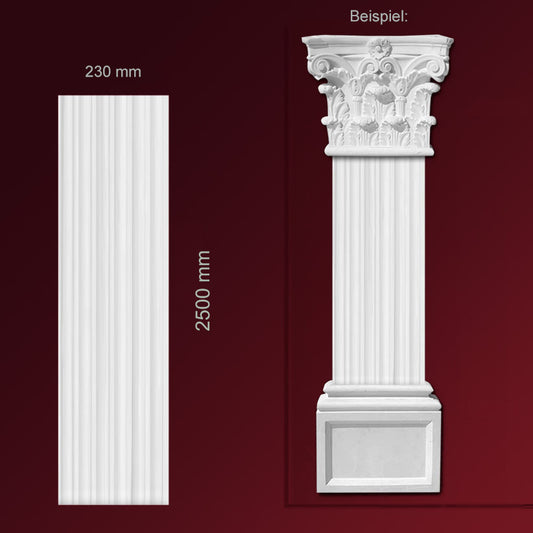
Pilaster Middle Section "Uno"
Regular price 65,99 €Regular priceUnit price per
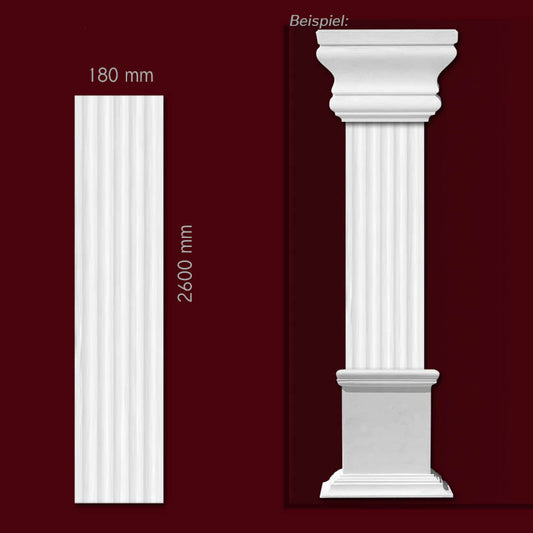
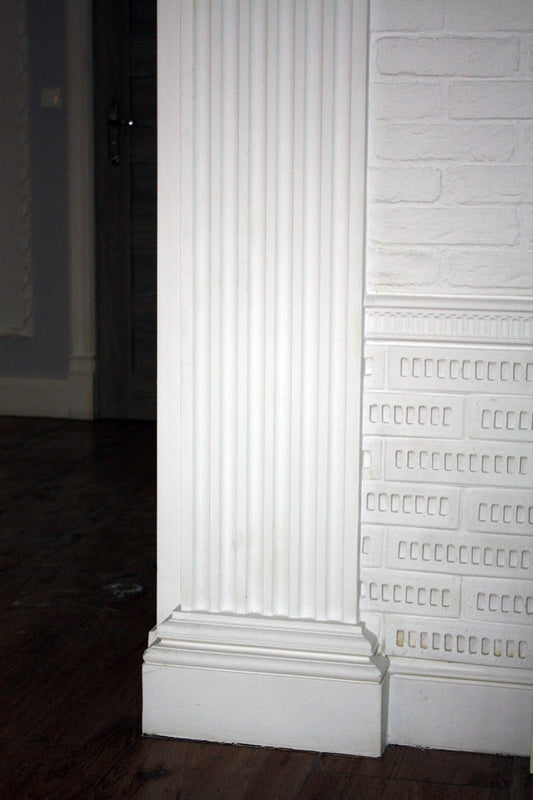
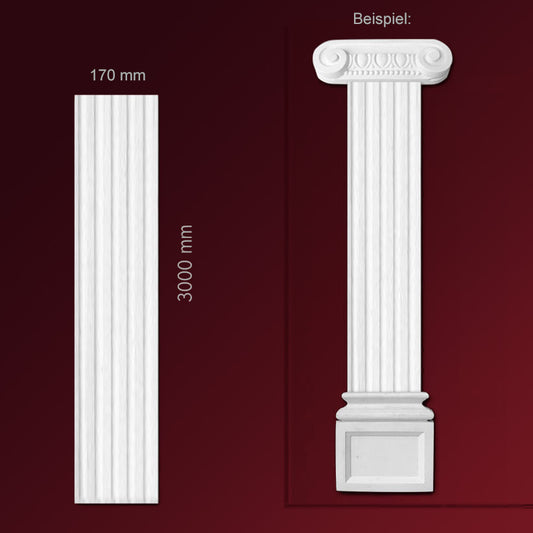
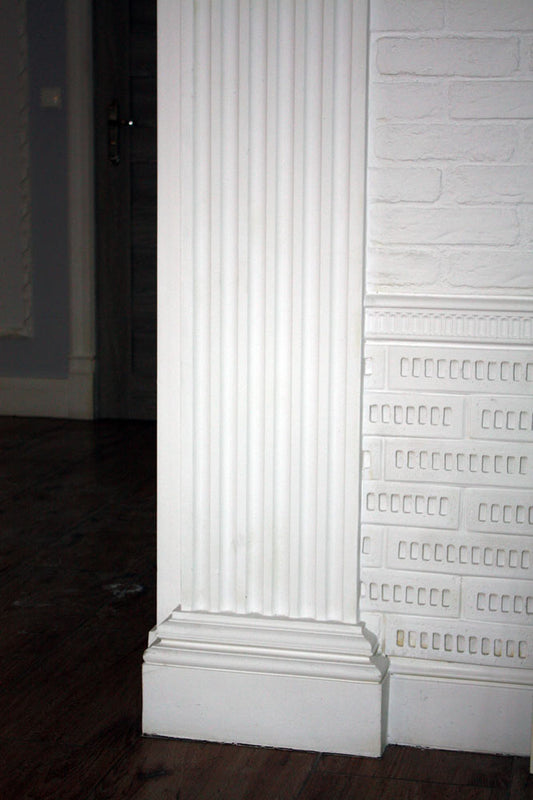
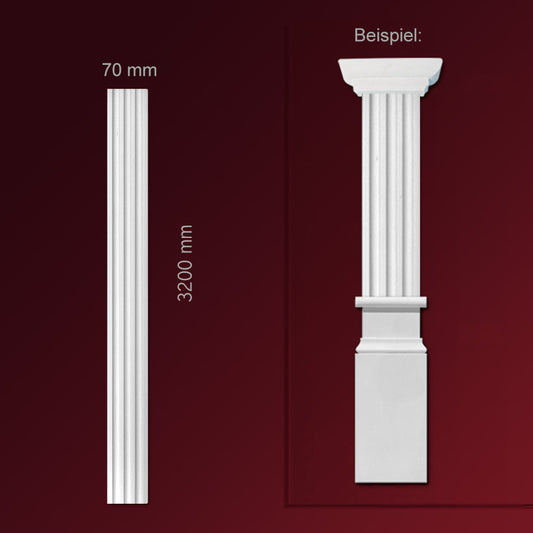
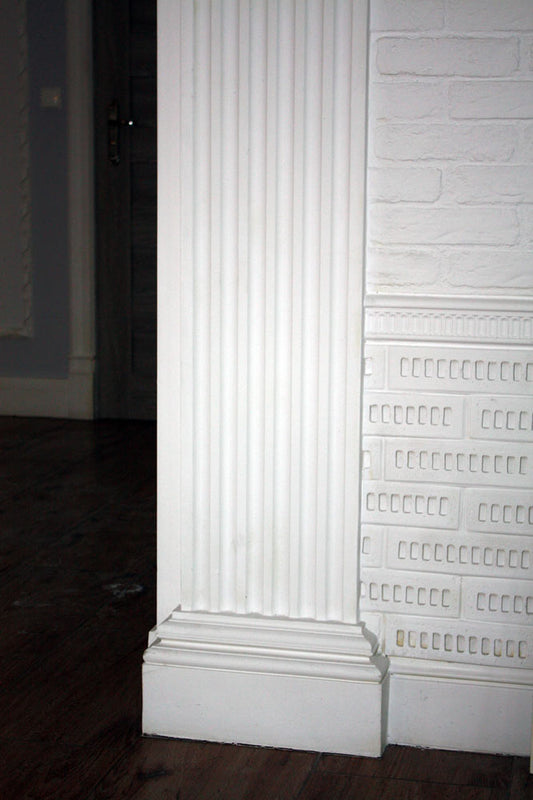
Gypsum Plaster Pilasters for Your Home
Pilasters in the Kitchen
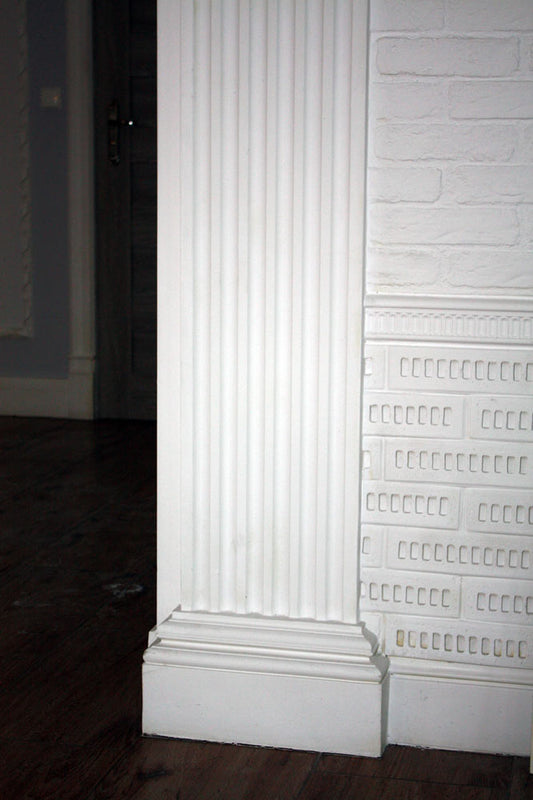
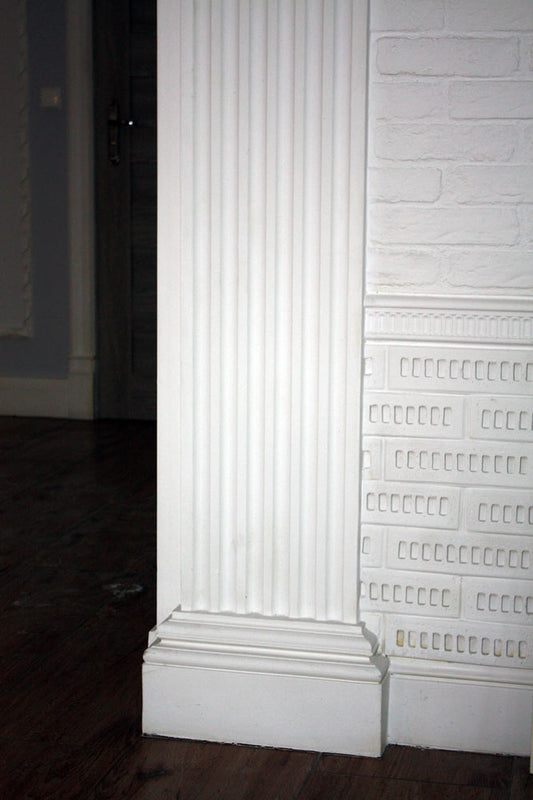
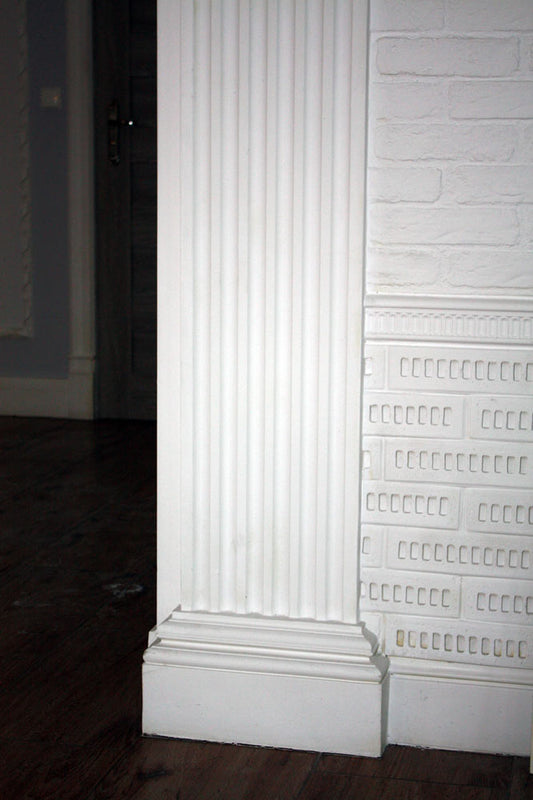
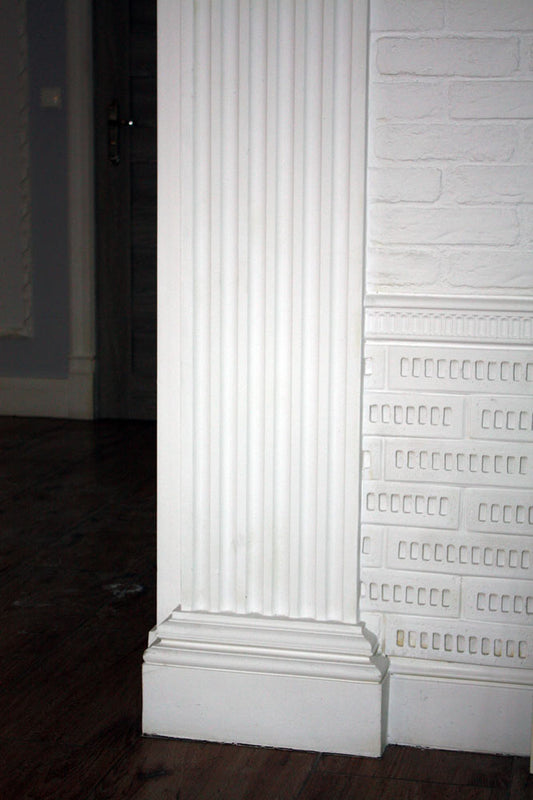
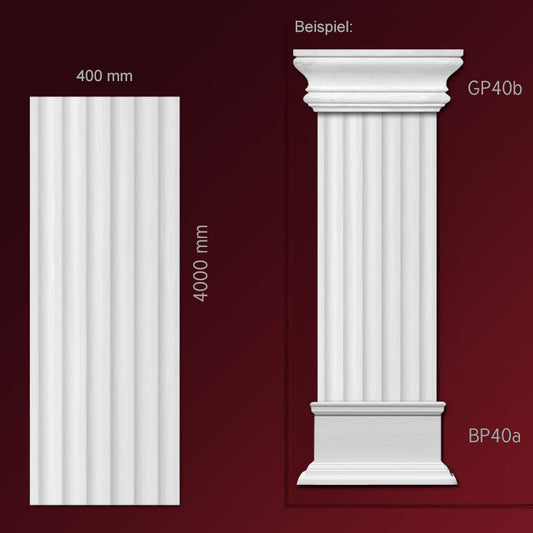
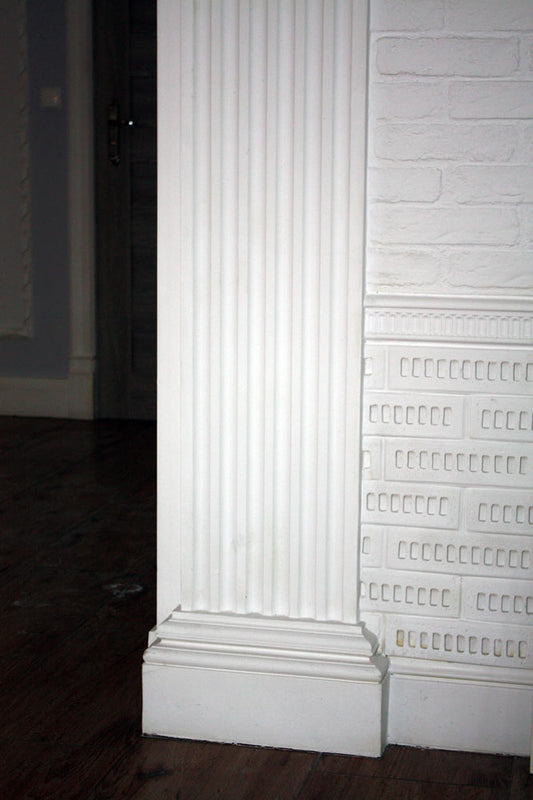
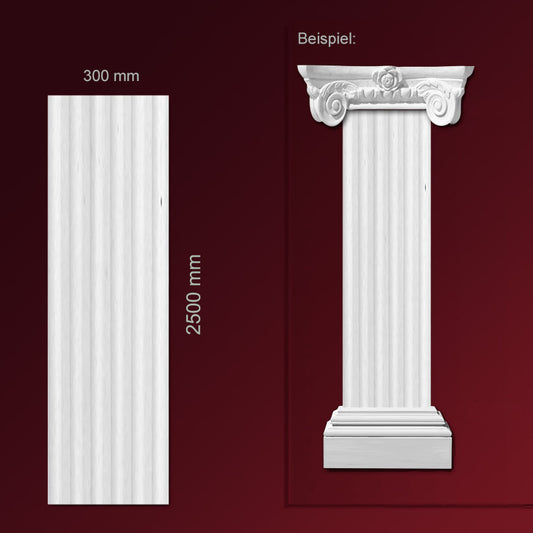
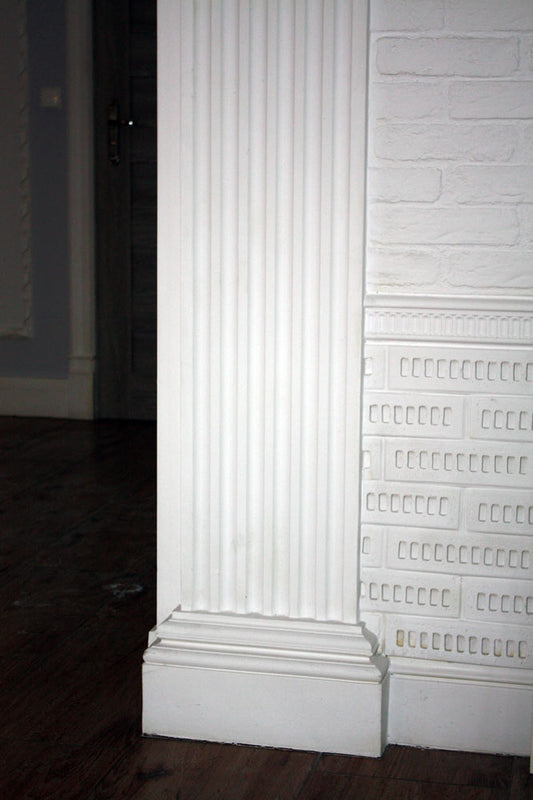
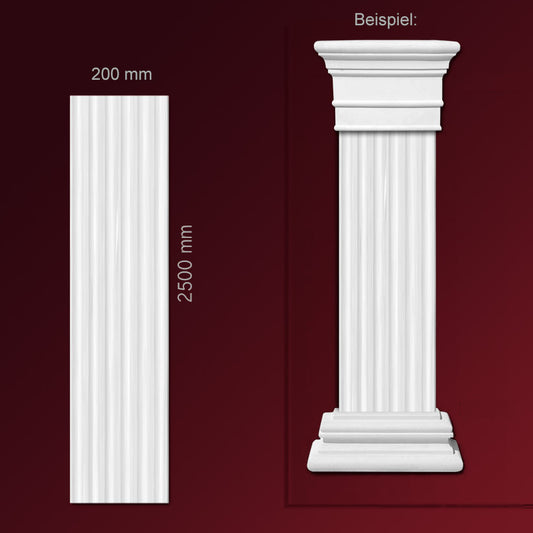
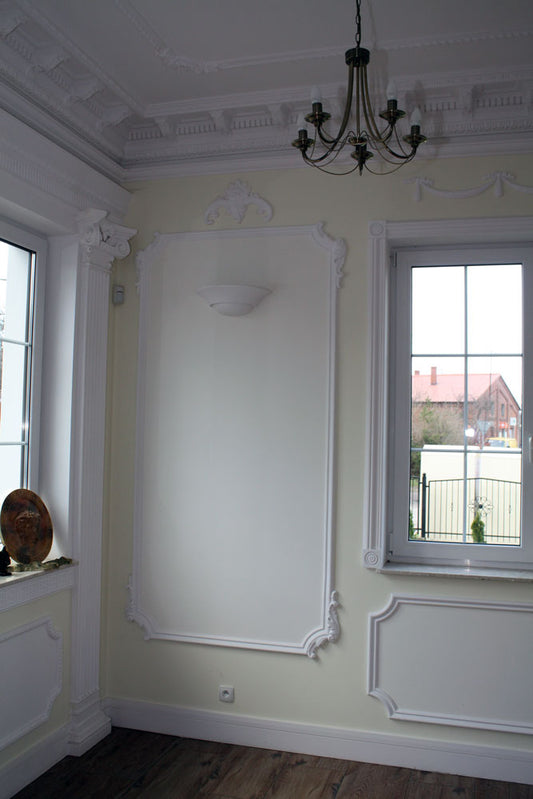
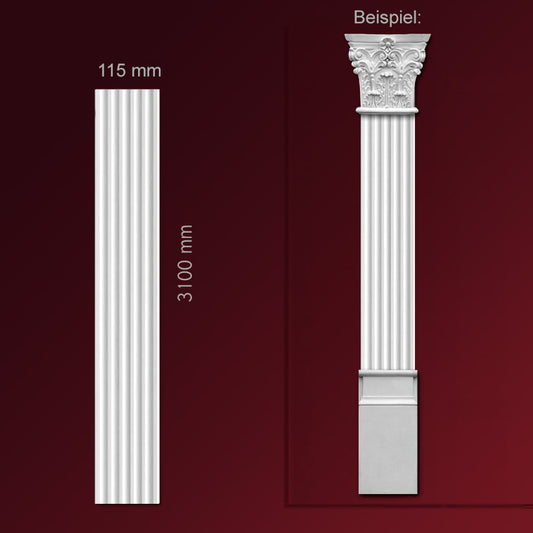
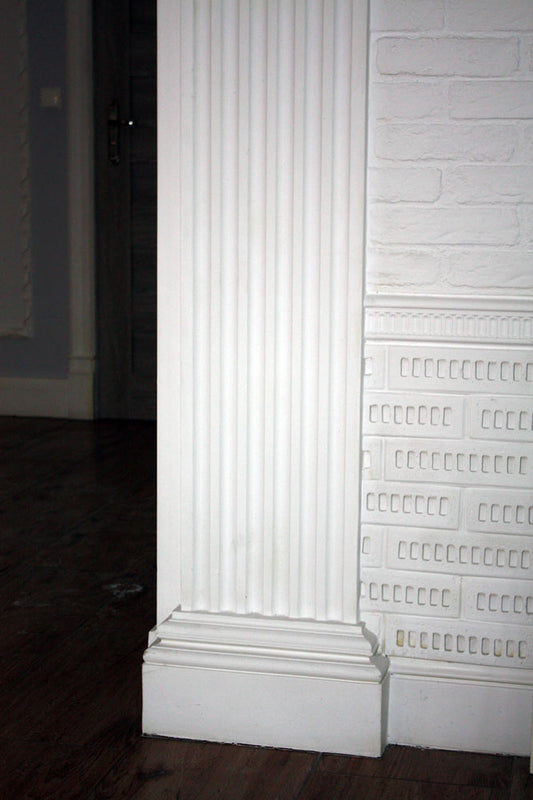
What is a pilaster and is it suitable for the kitchen? You can imagine pilasters as a type of wall pillar that is always connected to a wall or another load-bearing house unit. A plaster pilaster thus has no static function and serves only for decoration.
Pilasters as a popular decorative elementPilasters are popular in both old buildings and modern style-breaking homes. Not least because of the classic design and the affordable price from Roman Living. Are you planning a pilaster for your facade or outdoor area? With a protective lacquer treatment, we prepare your pilaster accordingly so that you can enjoy your design stucco for a long time. Whether for your terrace, your balcony, your hallway at home or your living room - pilasters are a stylish eye-catcher in every respect.
Pilasters for Interior & Interior Finishing
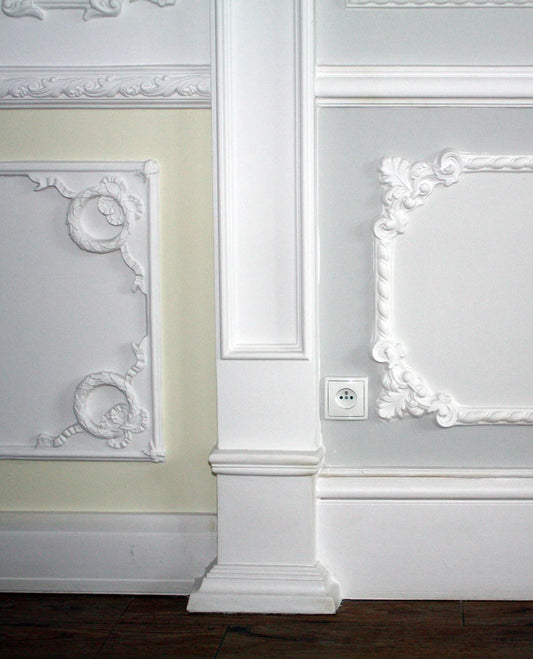
An antique touch gives every room in your home a comfortable atmosphere. Surrounded by pilasters and other stucco elements from Roman Living, such as our cornice mouldings or wall panels, a room feeling is created that you won't want to miss. Please also consider that you can install all our products yourself, which means you only have to pay for the material costs.
High-quality Pilasters for House & Garden
Thanks to our in-house manufactory, we can guarantee that you always receive our stucco products in consistently high quality. Furthermore, this enables us to meet your special requirements, such as a special coating to protect our pilasters from bad weather conditions when used outdoors.
Color desired?
Depending on the place of use, you can also decide on the color of the finish. Whether you prefer a classic white look or want to add some color, it's entirely up to you. Small tip: Our products look even better in combination with houseplants and especially with other products from Roman Living.
What heights are wall columns available in?
Gypsum pilasters or wall columns are available in many heights and can be easily adapted.
Thanks to our many years of expertise in stucco and pilaster manufacturing, we can offer you tailor-made pilaster solutions at an unbeatable low price.
What pilaster height do I need?
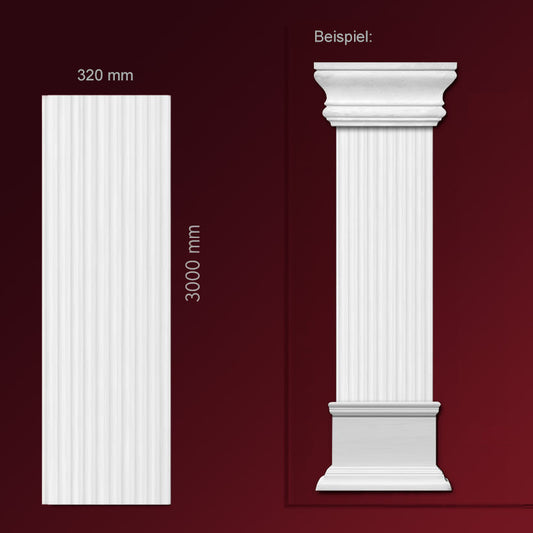
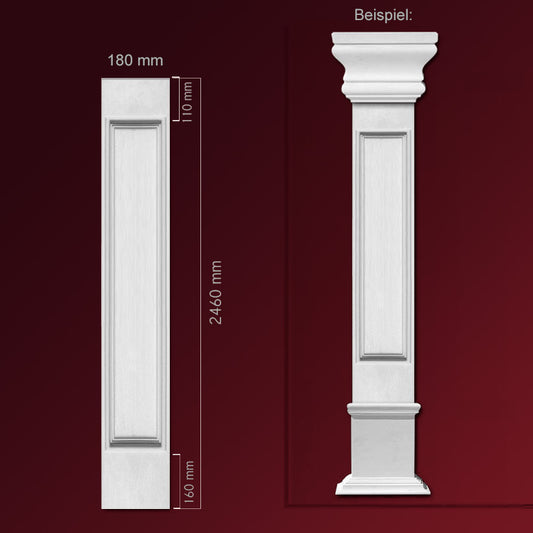
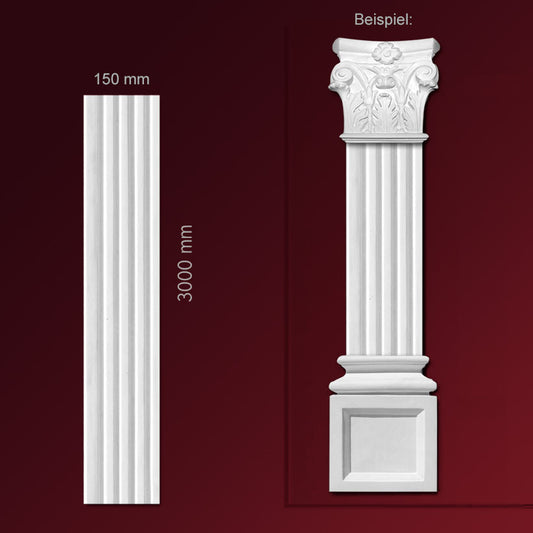
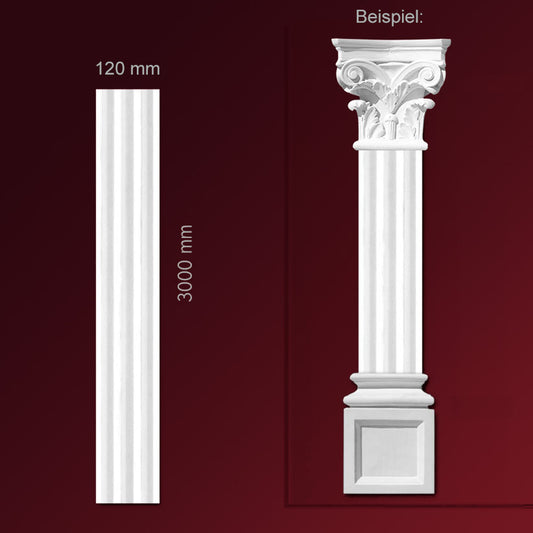
Our room pilasters have a standard height of 3m and thus offer capacity for almost all room heights. The height of the capital and base are added to the pilaster height. The column height you need depends on the place and purpose of use.
Common room heights:
- - 2.40m
- - 2.50m
- - 2.80m
- - 2.90m and more
Calculate pilaster height
Based on the room height, you can determine the total height of your pilaster. Including capital and base, the maximum height of our stucco pilasters is approx. 3.40m. However, greater heights can also be achieved by adding further middle sections. All heights can be prepared by our manufactory team without any problems - on request, we can also deliver the pilaster in one piece in the correct height.
Install wall pilasters yourself or hire a company?
Installing a gypsum pilaster is a nice project for experienced DIY enthusiasts that can be mastered alone with a little time. After all, usually no static requirements have to be met. If you don't feel confident enough to build your Roman pilaster yourself, we will be happy to put you in touch with an inexpensive cooperation partner. This partner will install your decorative pilaster in no time.
Pilasters made of concrete or gypsum?
Drywall pilasters are made of stucco gypsum, concrete, and plastic. But which material should you choose?
Most providers use plastics, mostly hardened Styrofoam. In addition to its questionable ecological footprint, foamed plastic is unfortunately not very durable. In an careless moment, your Styrofoam pilaster can be damaged and rendered unusable. A small bump from a child riding a Bobby Car, for example, is enough for this.
Experts advise gypsum or concrete
The choice of most DIY enthusiasts therefore understandably falls on gypsum pilasters or concrete pilasters. The two materials are similar in nature and ensure good durability and robustness.
Advantages of gypsum:
Gypsum pilasters are made of a sustainable material. This is usually obtained as a by-product in many manufacturing processes. It is therefore sustainably and affordably available.
In addition to an impeccable eco-balance, gypsum offers an excellent degree of hardness and good workability. Gypsum pilasters and capitals can therefore be filigree worked and cast.
Gypsum is a mineral building material that, despite its durability, is not too heavy. It can therefore be easily processed at home. Should something go wrong, gypsum can be easily repaired. All you need for this is a little manual skill and gypsum filler to repair the affected areas.
Advantages of concrete:
Concrete offers almost similar properties to gypsum, but is produced specially and can only be cast in a mold.
Gypsum capitals, for example, therefore have a higher level of detail. Furthermore, concrete is a solid building material that offers solid weather resistance. This is offset by the enormous weight of concrete pilasters. Once installed, these are firmly in place and can only be moved or changed with considerable effort.
If you have any further questions or if, despite the installation guide, you don't know how to install our pilasters, don't hesitate to contact us via chat or phone! We will be happy to advise you and help you with words and deeds.
Your Roman-Living Team
